Professional Asphalt Paving & Striping Services in Chicago, IL
Serving Chicago and surrounding areas with professional asphalt paving, repair, striping, sealcoating, and pavement maintenance for lasting results.
What Are the Benefits of Professional Asphalt Paving in Chicago?
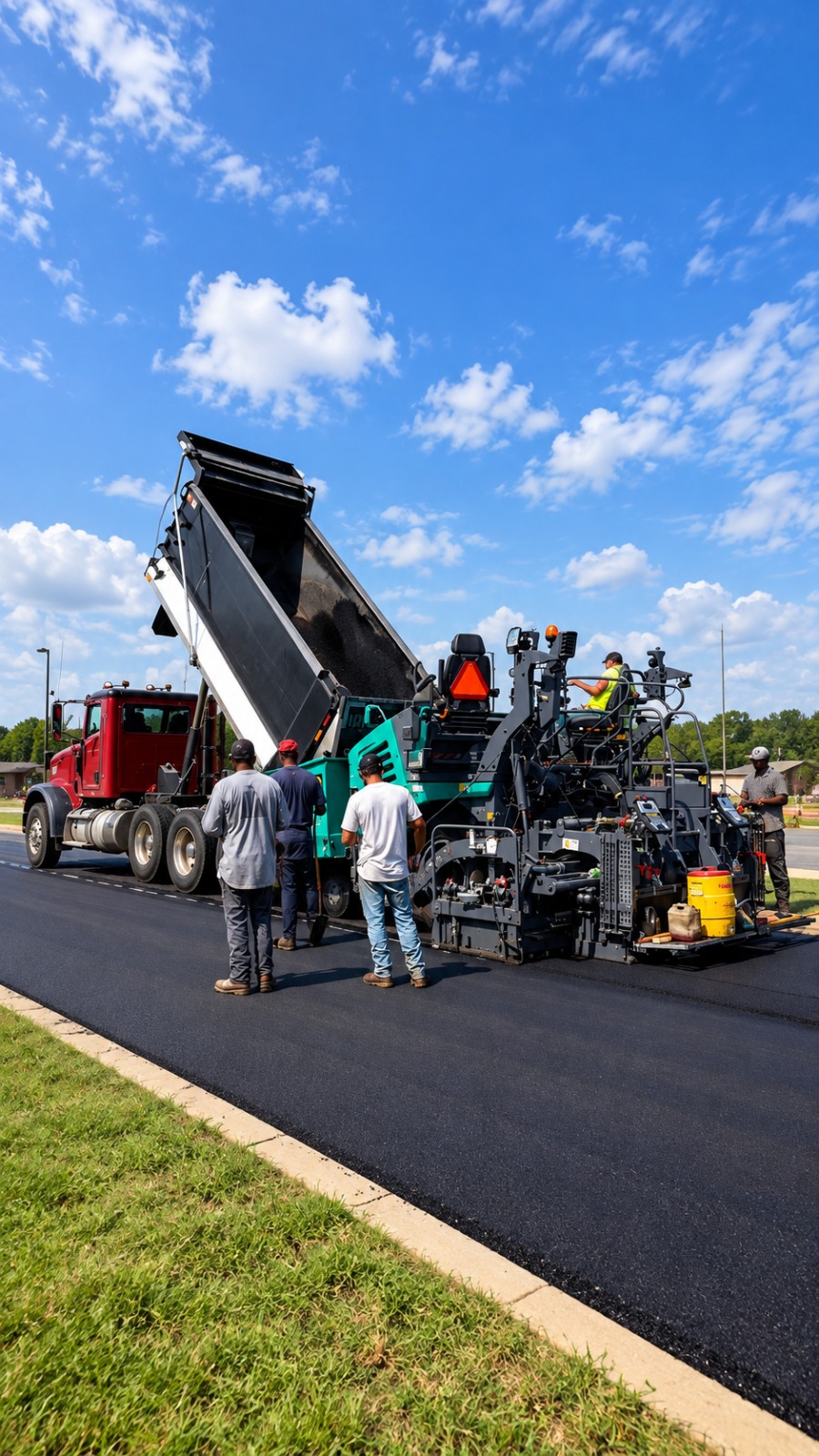
Professional asphalt paving provides a strong, smooth, and durable pavement surface for parking lots, driveways, private roads, commercial facilities, industrial properties, and other high-traffic areas. A successful paving project typically begins with careful site evaluation, excavation when required, proper grading, drainage planning, and installation of a stable aggregate base. Hot-mix asphalt is then placed and compacted to create a dense surface capable of supporting regular vehicle traffic while providing a clean and professional appearance.
One of the major benefits of professional paving is improved surface performance, accessibility, drainage, and traffic movement. Proper grading helps direct rainwater away from critical pavement areas, while adequate compaction reduces excessive air voids and creates a more stable finished surface. The pavement structure can also be designed according to expected traffic conditions, including passenger vehicles, delivery trucks, and other commercial traffic. Properly planned paving also provides a suitable surface for parking spaces, traffic lanes, crosswalks, directional arrows, and other pavement markings.
Long-term pavement performance depends on installation quality as well as ongoing preventive maintenance. Exposure to moisture, sunlight, vehicle loads, temperature changes, oil, and normal wear can gradually affect asphalt condition. Regular inspections, crack sealing, pothole repair, asphalt patching, sealcoating, drainage maintenance, and restriping can help address developing problems before they become more extensive. A planned maintenance approach helps preserve the pavement's appearance, functionality, safety, and useful service life.
How Do You Know When Asphalt Needs Repair in Chicago?
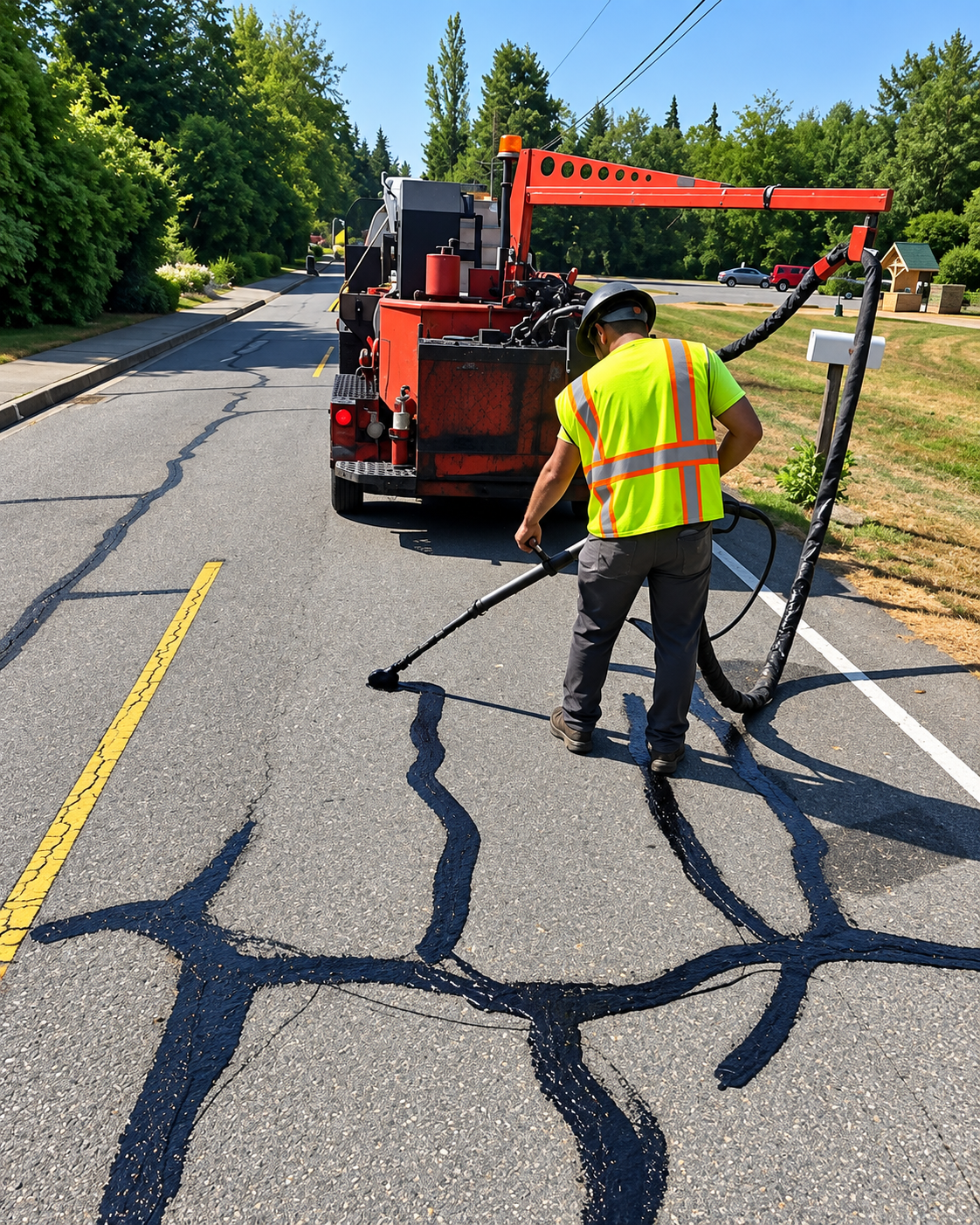
Asphalt usually needs repair when visible deterioration begins affecting the surface condition, drainage, safety, or overall performance of the pavement. Common warning signs include longitudinal or transverse cracks, interconnected cracking, potholes, depressions, loose aggregate, crumbling pavement edges, uneven surfaces, and areas where water remains after rainfall. Some pavement damage develops gradually, which makes routine inspections useful for identifying problems before they spread across larger portions of a parking lot, driveway, or roadway.
The appropriate repair method depends on the type, location, depth, and severity of the damage. Smaller cracks may require cleaning and sealing to limit water penetration, while isolated potholes or deteriorated areas may require removal of failed material followed by asphalt patching. If damage extends below the asphalt surface into the base, a full-depth repair may be more appropriate than a simple surface patch. Drainage conditions should also be evaluated because recurring standing water can contribute to repeated pavement deterioration.
Waiting too long to address asphalt damage can allow water, traffic loads, and environmental exposure to affect a larger portion of the pavement structure. Moisture entering through open cracks can weaken underlying materials, while repeated vehicle loading can enlarge damaged sections. Timely crack treatment, pothole repair, patching, drainage correction, and preventive maintenance can help preserve surrounding pavement and reduce the likelihood that localized problems develop into widespread pavement failure requiring more extensive rehabilitation.
Why Is Sealcoating Important for Asphalt Pavement in Chicago?
Sealcoating is an important part of preventive asphalt maintenance because it provides a protective surface treatment over pavement that is still in serviceable condition. Asphalt is continuously exposed to sunlight, moisture, oxidation, vehicle traffic, oil, fuel, and changing weather conditions. Over time, these factors can contribute to fading, drying, and gradual surface deterioration. A properly applied sealcoat helps create an additional barrier against these environmental influences while restoring a darker and more uniform pavement appearance.
Proper preparation is essential before sealcoating begins. The pavement should be clean, dry, and free of loose debris, vegetation, dirt, and other contaminants that could interfere with adhesion. Cracks, potholes, failed patches, and significant surface defects should be evaluated and repaired before applying the coating. Sealcoating should not be treated as a solution for structural pavement failure because it is primarily designed to protect the asphalt surface, not rebuild a damaged base or replace deteriorated pavement.
Sealcoating works best when it is incorporated into a broader pavement maintenance strategy that considers the actual condition of the asphalt. Regular inspections can help determine when protective treatment is appropriate based on surface wear, traffic volume, environmental exposure, previous maintenance, and pavement age. Combining sealcoating with crack sealing, asphalt patching, drainage maintenance, surface cleaning, and restriping can help slow deterioration and maintain the pavement's appearance, organization, and long-term performance.
Our Services
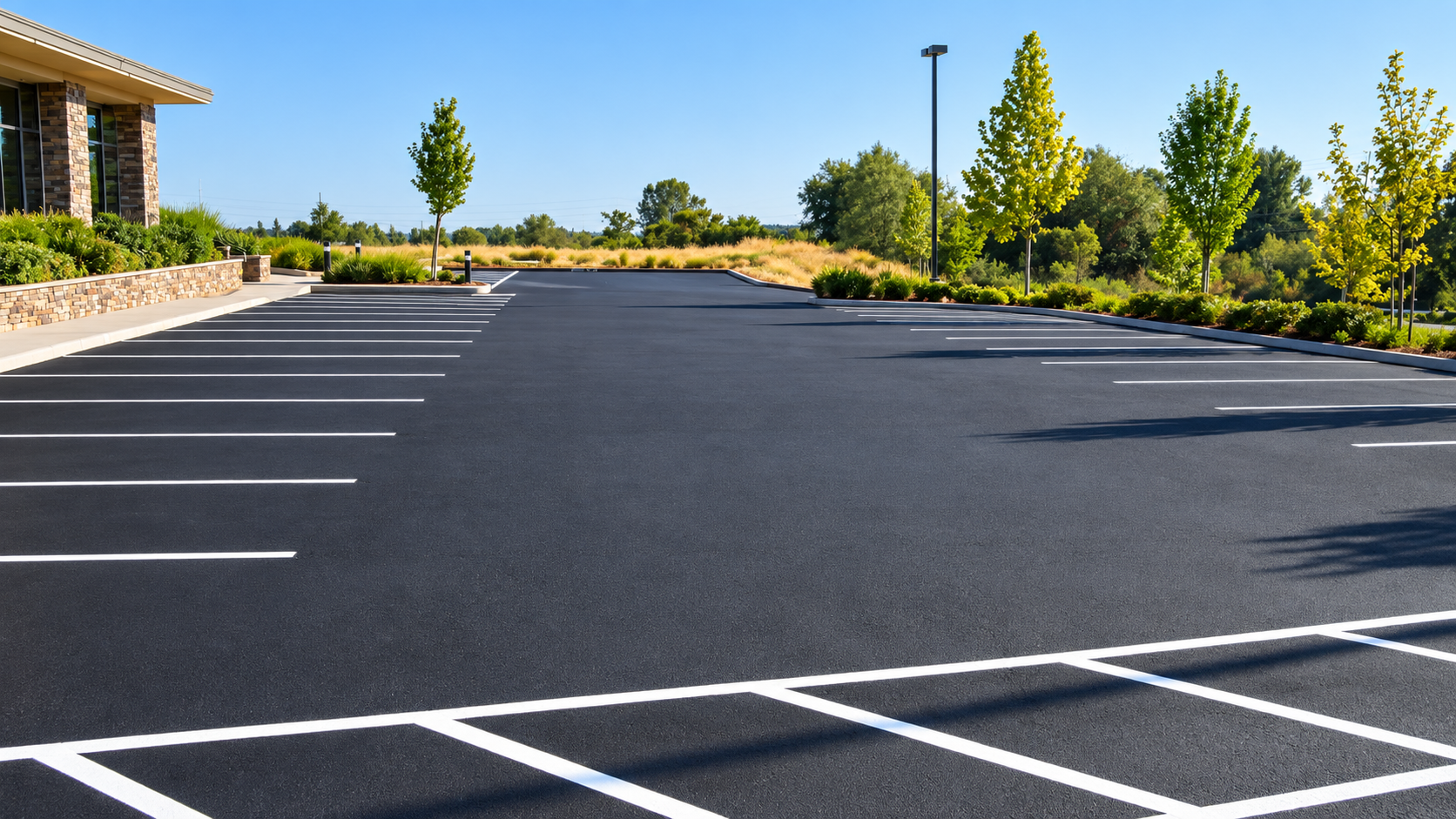
Professional parking lot paving creates a smooth, durable, and attractive surface for commercial properties. Proper preparation and quality asphalt provide safe access and long-lasting results.
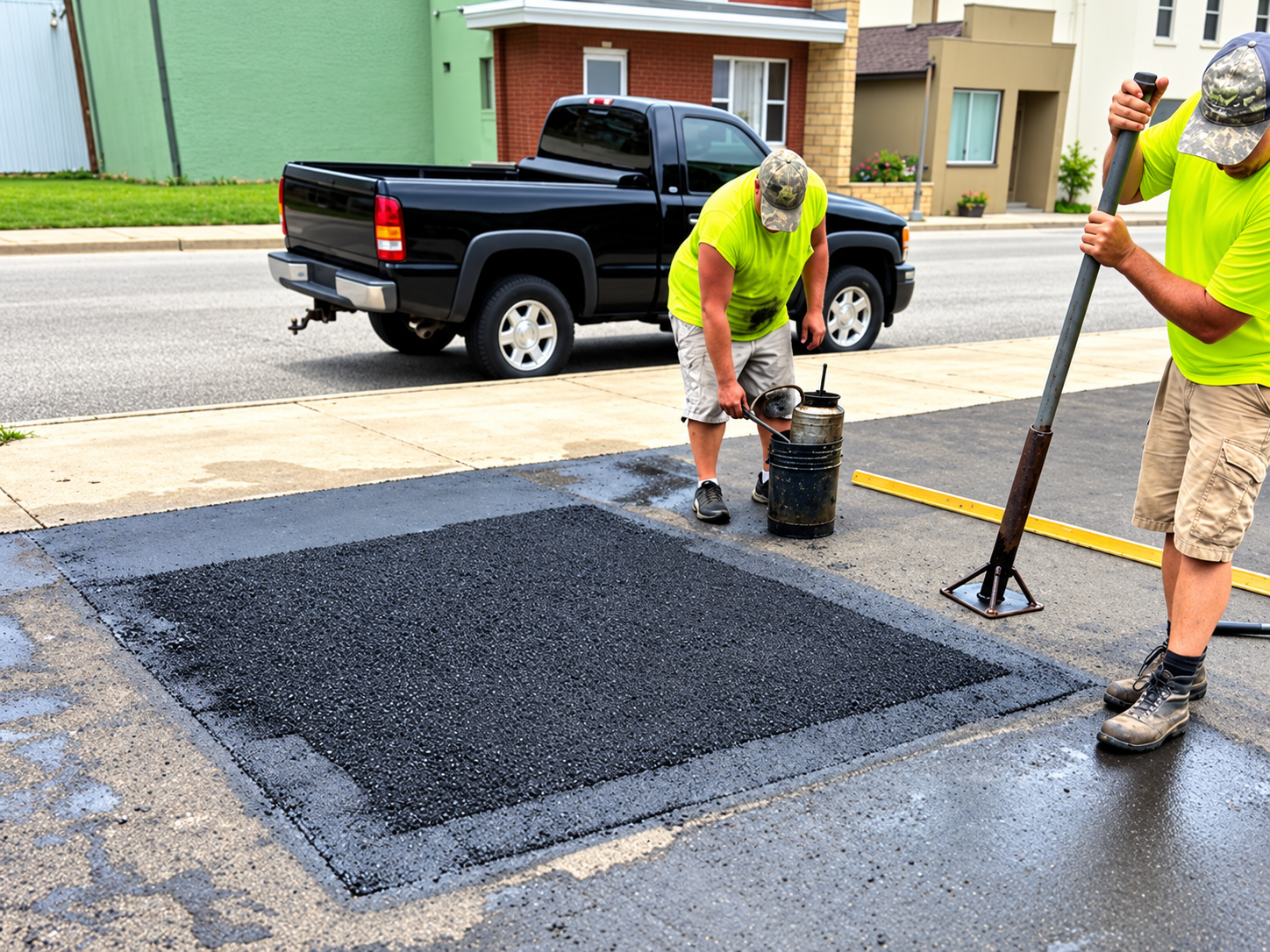
Asphalt repair restores damaged pavement by fixing cracks, potholes, and worn areas. Timely repairs improve safety, appearance, and durability while helping prevent further pavement damage.
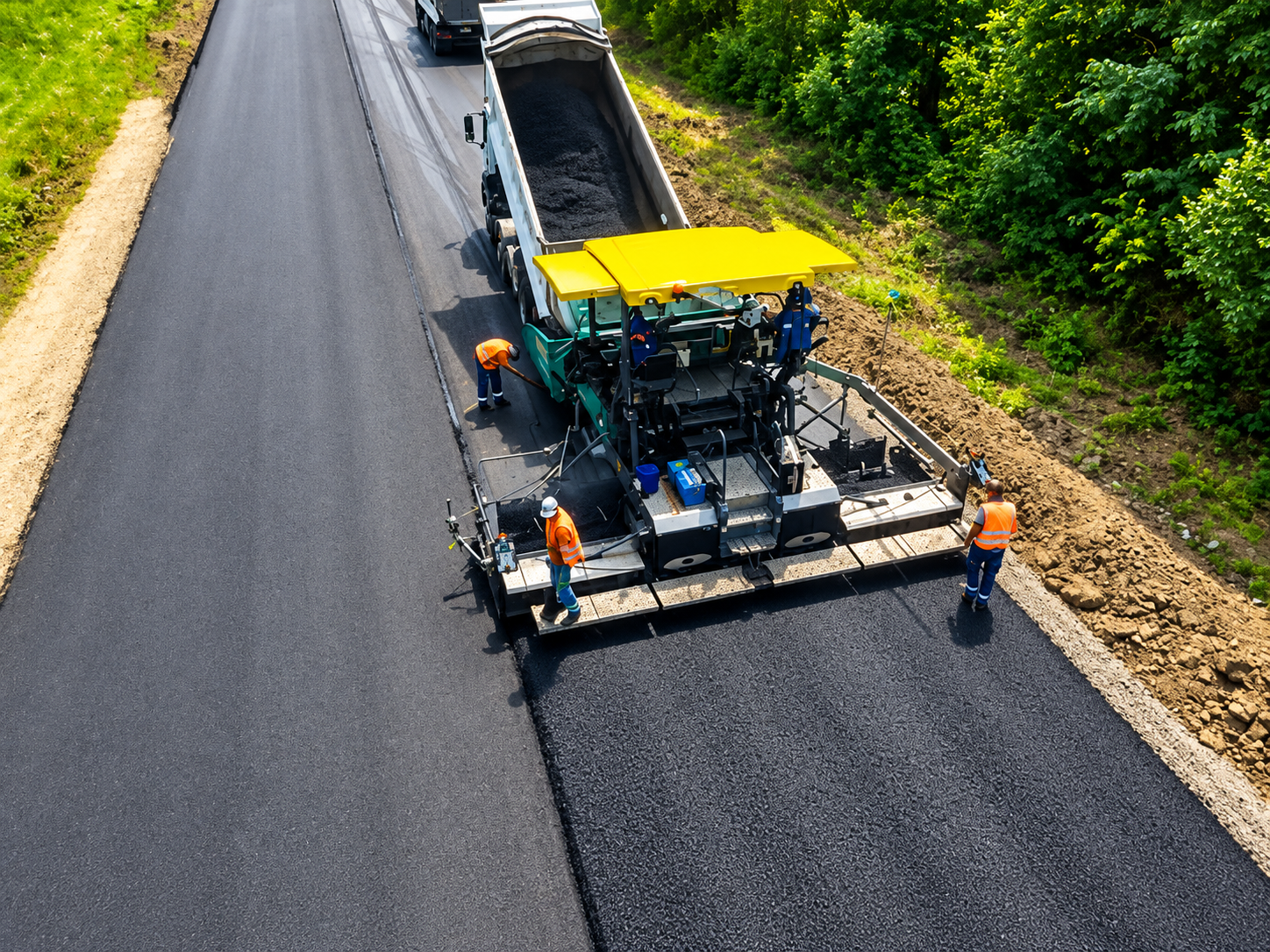
Professional asphalt paving provides smooth, durable surfaces for driveways, roads, and parking lots. Quality materials and proper installation ensure reliable, long-lasting performance.
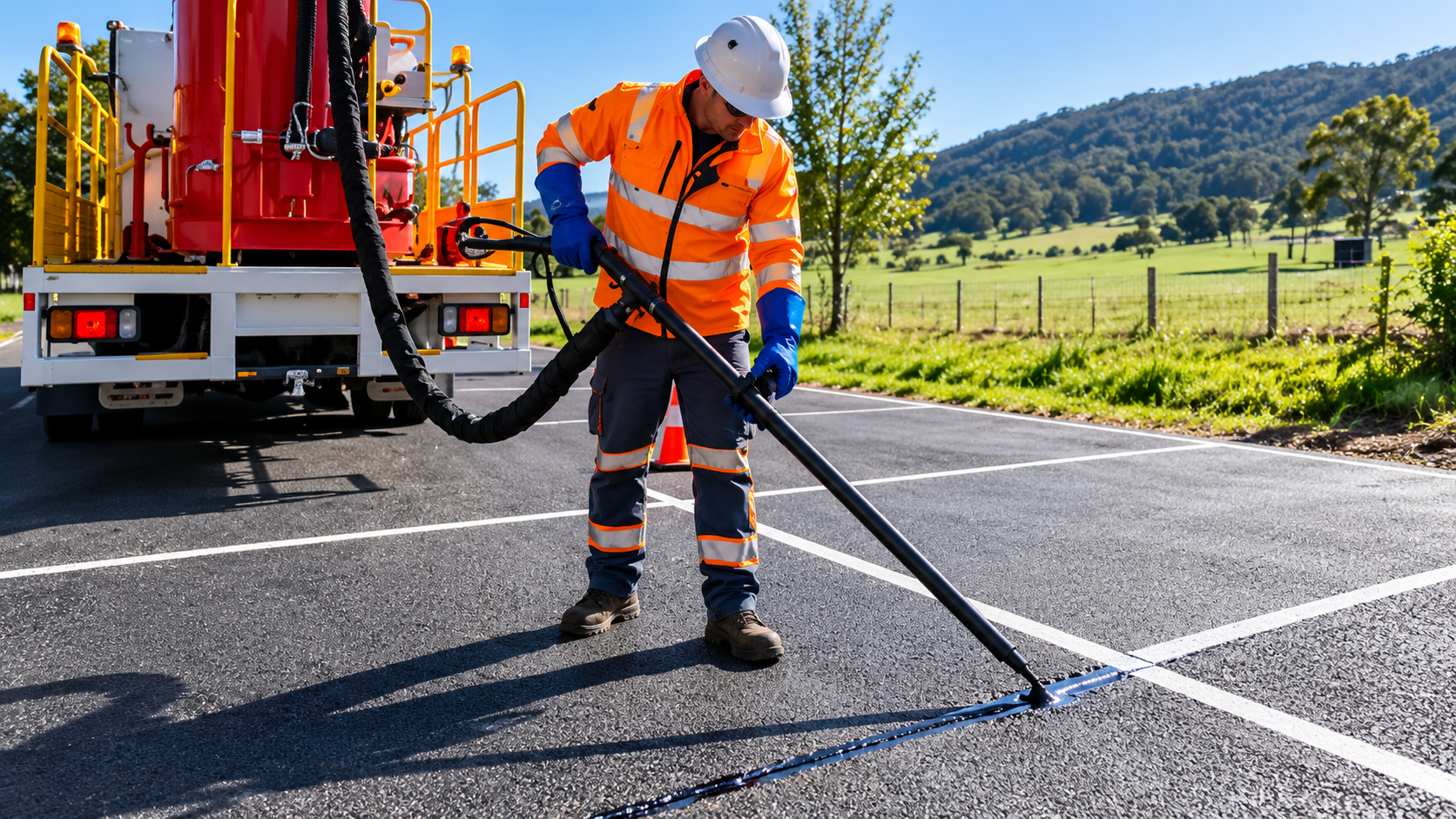
Regular pavement maintenance helps protect asphalt from cracks, potholes, weather damage, and surface wear. Preventive care improves safety, appearance, performance, and pavement lifespan.
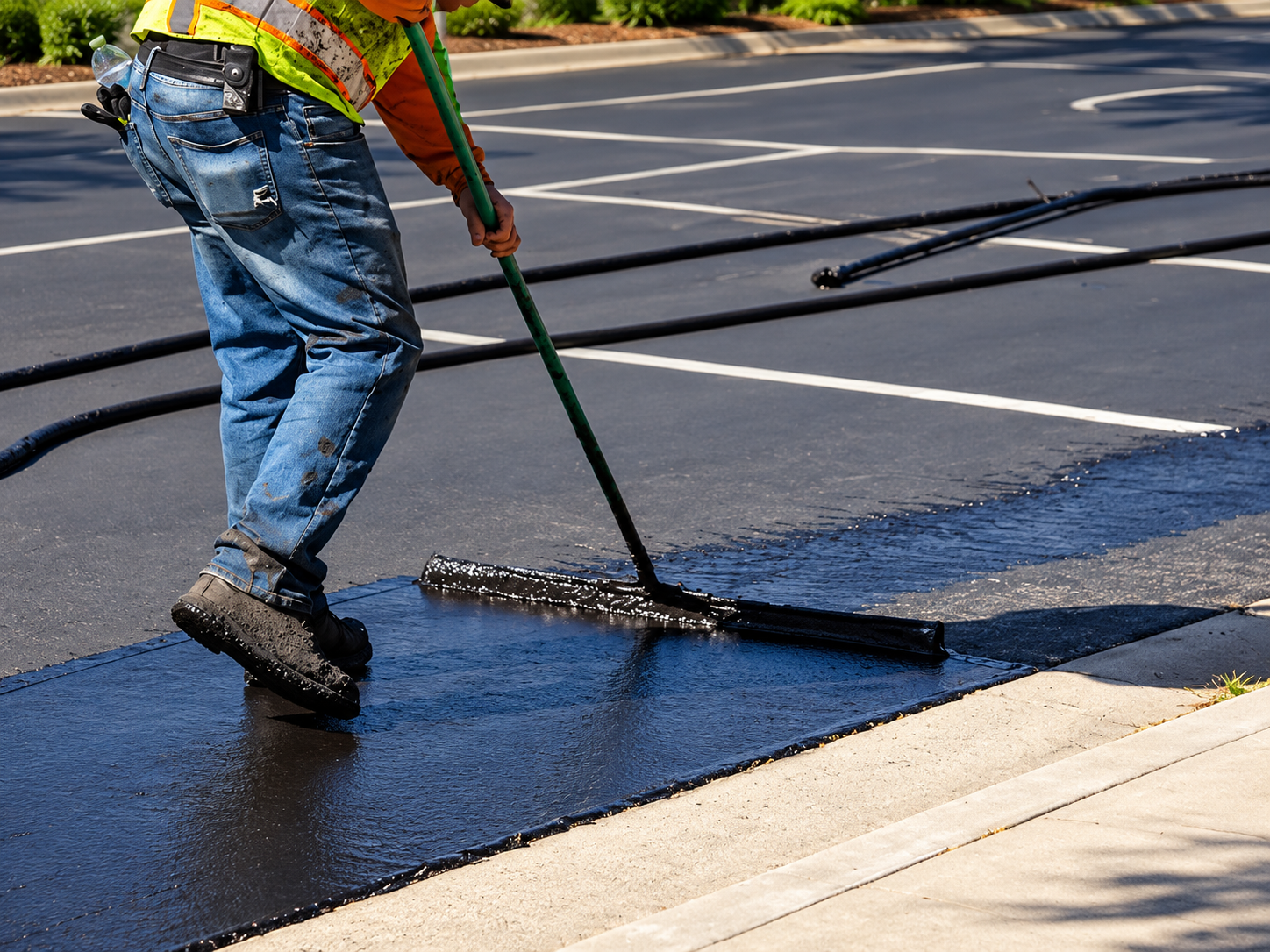
Sealcoating adds a protective layer to asphalt surfaces, helping defend against water, sunlight, oil, and everyday wear. It also restores a clean, dark finish and extends pavement life.
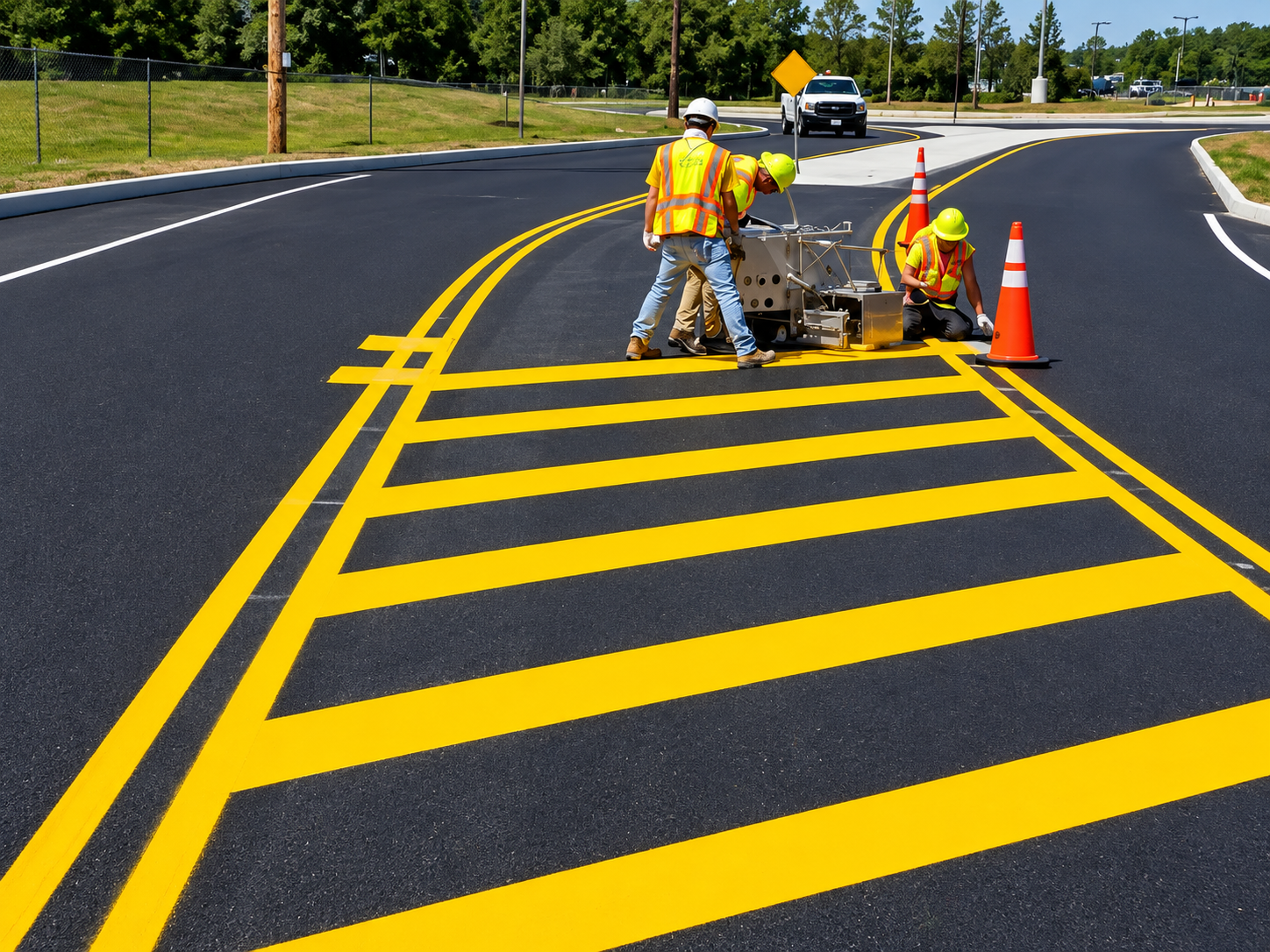
Asphalt striping creates clear, organized parking spaces, traffic lanes, arrows, and safety markings. Precise, visible lines improve traffic flow, accessibility, safety, and property appearance.
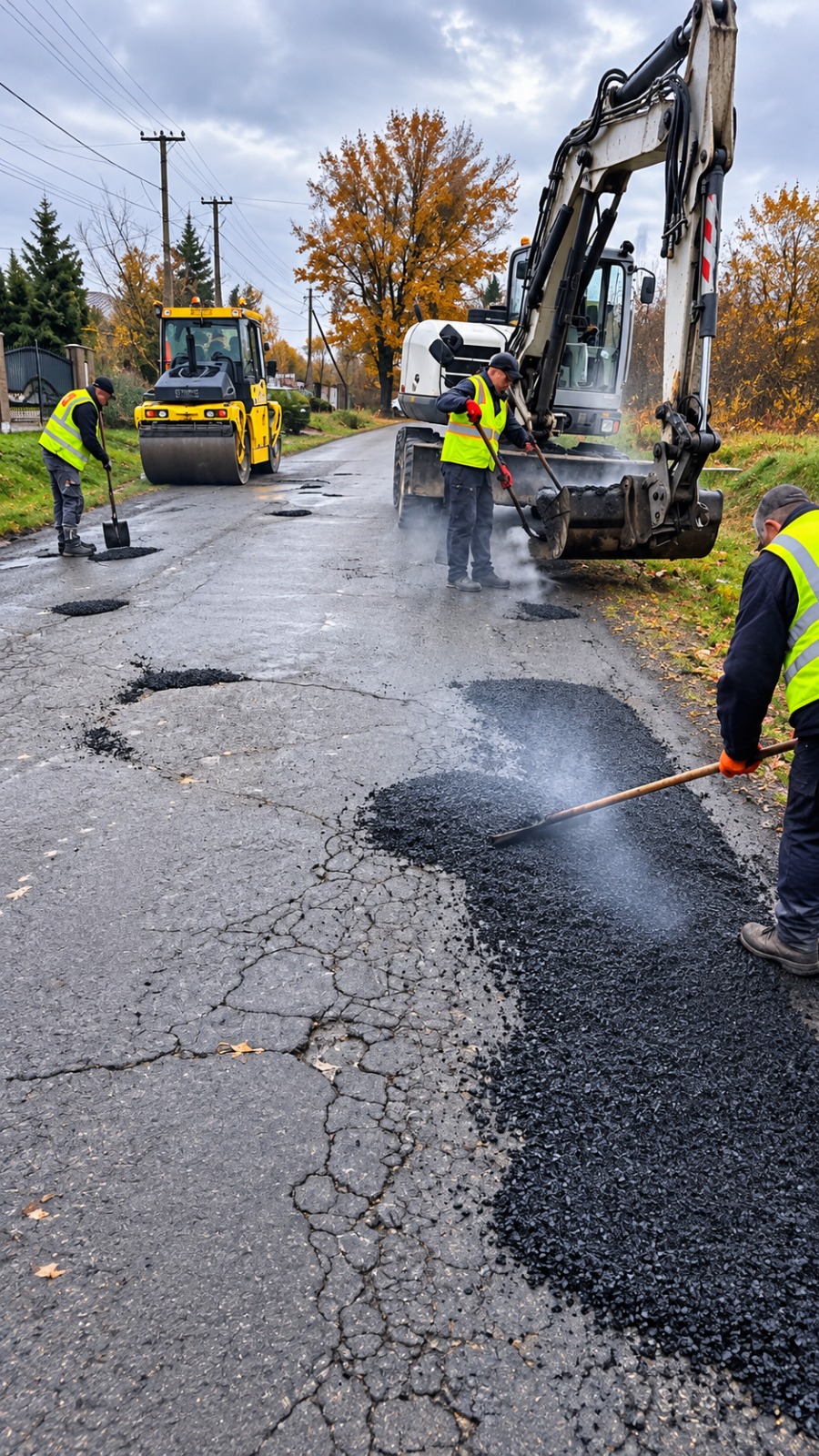
Why Is Parking Lot Striping Important in Chicago?
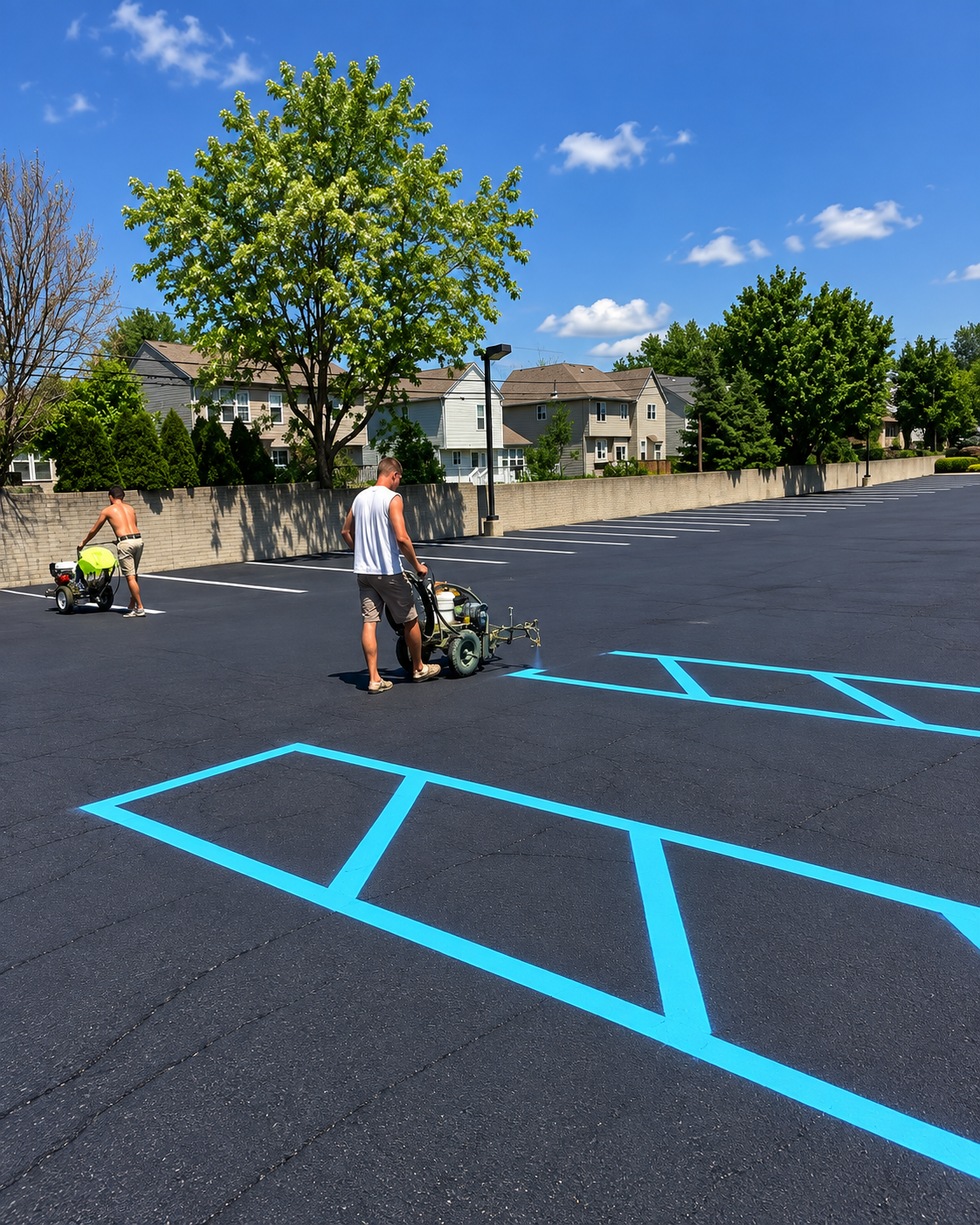
Parking lot striping plays an important role in creating a clear, organized, and functional parking environment for drivers and pedestrians. Properly planned pavement markings define individual parking stalls, driving lanes, entrances, exits, pedestrian crossings, and other traffic areas. Without visible markings, drivers may park inconsistently or have difficulty understanding intended traffic patterns. Clear striping can therefore improve parking organization, traffic flow, visibility, and navigation throughout a commercial or residential parking area.
A complete striping layout may include standard parking spaces, accessible parking areas, directional arrows, crosswalks, loading zones, fire lanes, curb markings, pedestrian routes, and other pavement symbols appropriate for the property. Before markings are applied, the asphalt should be clean and dry, and the layout should be carefully measured. Property dimensions, traffic patterns, pedestrian movement, accessibility considerations, and applicable requirements should all be considered when determining the placement of pavement markings.
Striping is not permanent and gradually loses visibility because of vehicle tires, weather exposure, sunlight, snow removal, surface wear, and pavement maintenance activities. Restriping may be needed when existing lines become faded or difficult to identify, as well as after resurfacing or sealcoating covers previous markings. Regular inspections and timely restriping can keep parking areas clearly defined and help maintain a clean, professional, accessible, and well-organized pavement layout.
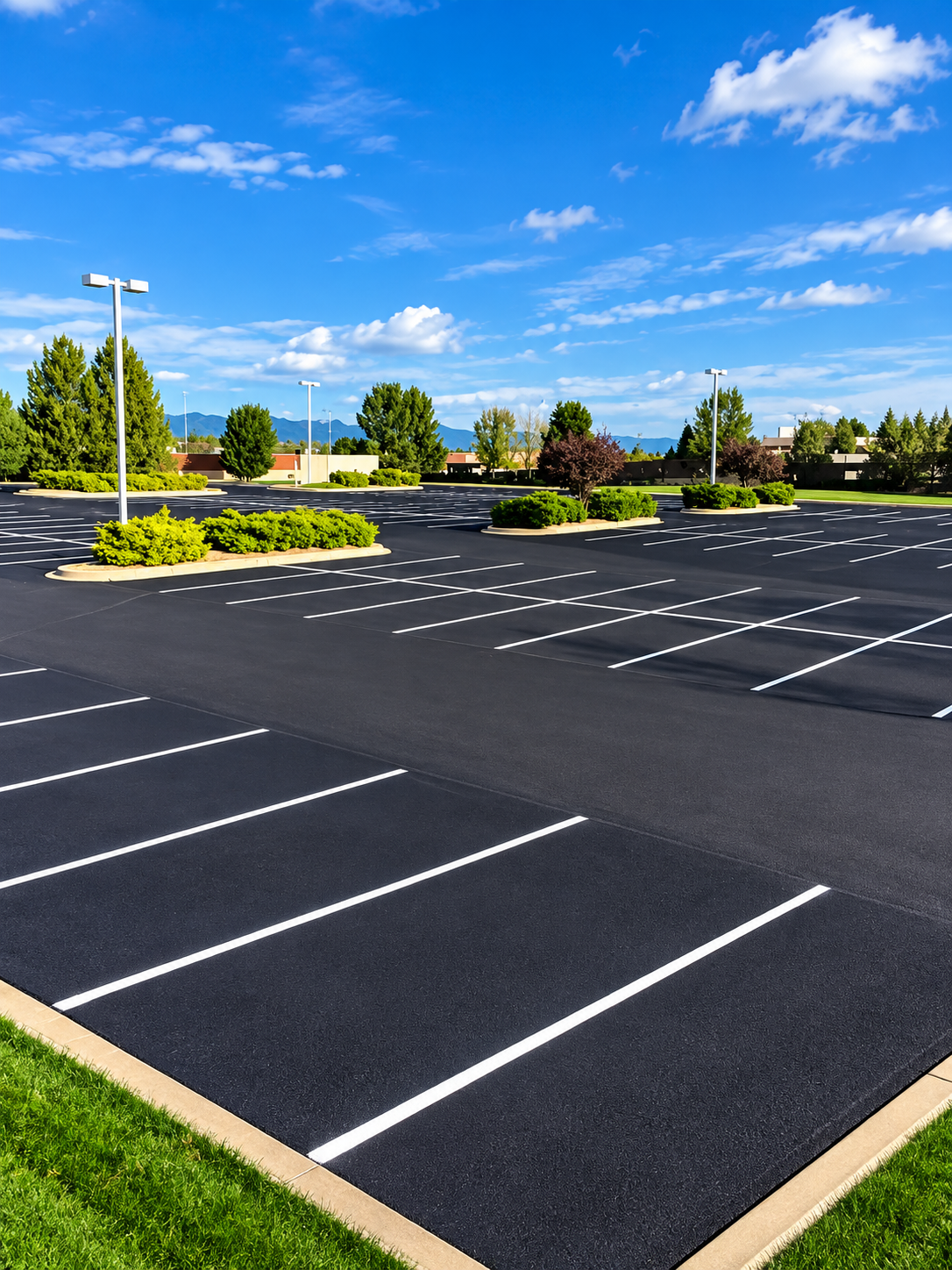
How Can Regular Pavement Maintenance Extend Asphalt Life in Chicago?
Regular pavement maintenance focuses on identifying and addressing small asphalt problems before they become larger structural issues. Pavement is exposed to vehicle loads, water, sunlight, temperature changes, oil, debris, and normal aging throughout its service life. Routine inspections can reveal early cracking, isolated potholes, surface deterioration, drainage problems, damaged edges, faded striping, and other conditions that may require attention. Addressing these issues promptly can help preserve pavement that remains structurally serviceable.
A comprehensive maintenance approach can include crack sealing, pothole repair, asphalt patching, sealcoating, drainage correction, surface cleaning, edge repair, and pavement restriping. Each service serves a different purpose: crack treatment can reduce water infiltration, patching can restore localized damaged areas, sealcoating can protect suitable pavement surfaces, and drainage improvements can reduce standing water. Maintenance should therefore be based on an evaluation of the pavement's age, condition, traffic loads, drainage, and existing deterioration rather than applying the same treatment to every surface.
Preventive maintenance can also help property owners plan pavement work before conditions require large-scale resurfacing or complete reconstruction. Keeping drainage systems functional, repairing developing cracks, treating localized damage, and maintaining clear pavement markings can support safer and more dependable use of the property. When performed at appropriate stages of pavement deterioration, ongoing maintenance helps protect the asphalt investment and maintain surface quality, appearance, functionality, and long-term pavement performance.
Our Service Area?
Chicago
Aurora
Joliet
Naperville
Rockford
Elgin
Springfield
Peoria
Champaign
Waukegan
Cicero
Bloomington
Schaumburg
Evanston
Arlington Heights
Bolingbrook
Decatur
Palatine
Skokie
Des Plaines
Orland Park
Oak Lawn
Berwyn
Mount Prospect
Tinley Park
Normal
Wheaton
Hoffman Estates
Oak Park
Downers Grove
Glenview
Elmhurst
Lombard
Buffalo Grove
Bartlett
Crystal Lake
Romeoville
Carol Stream
Streamwood
Hanover Park
Plainfield
Carpentersville
Urbana
Wheeling
Park Ridge
Addison
Calumet City
Northbrook
St. Charles
Woodridge
Elk Grove Village
Oswego
Glen Ellyn
Granite City
Belleville
Moline
Rock Island
DeKalb
Quincy
Danville
Our Reviews
What Our Customers Have to Say About Us!
Excellent asphalt paving service from start to finish. The crew was professional, arrived on time, and completed our parking lot with a smooth, clean finish. Very satisfied with the results.

We hired them for asphalt repair and sealcoating, and the results were impressive. They repaired the damaged areas properly and gave the pavement a fresh, professional appearance.
Great experience with the asphalt striping and pavement maintenance service. The parking lines look sharp and organized, and the entire area looks much better. Highly recommended.
The Process
Our Simple 3 Step Process

Contact Us
Start by completing the 'Get a Free Quote' form on our website to share your needs with us so we can take care of you.

Schedule Your Estimate
Next, we'll arrange a property visit at a time that works for you to provide an in-person estimate for your needs.

Get The Job Done
After you approve our estimate, we'll schedule a date to complete the job. Our team will work hard to exceed your expectations!
Request A Free Quote

BUSINESS
SERVICES
SERVICE AREAS
OPERATING HOURS
Sun: Closed
Mon: 7:00am - 7:00pm
Tue: 7:00am - 7:00pm
Wed: 7:00am - 7:00pm
Thu: 7:00am - 7:00pm
Fri: 7:00am - 7:00pm
Sat: 7:00am - 7:00pm