Sealcoating Experts
What Is Sealcoating?
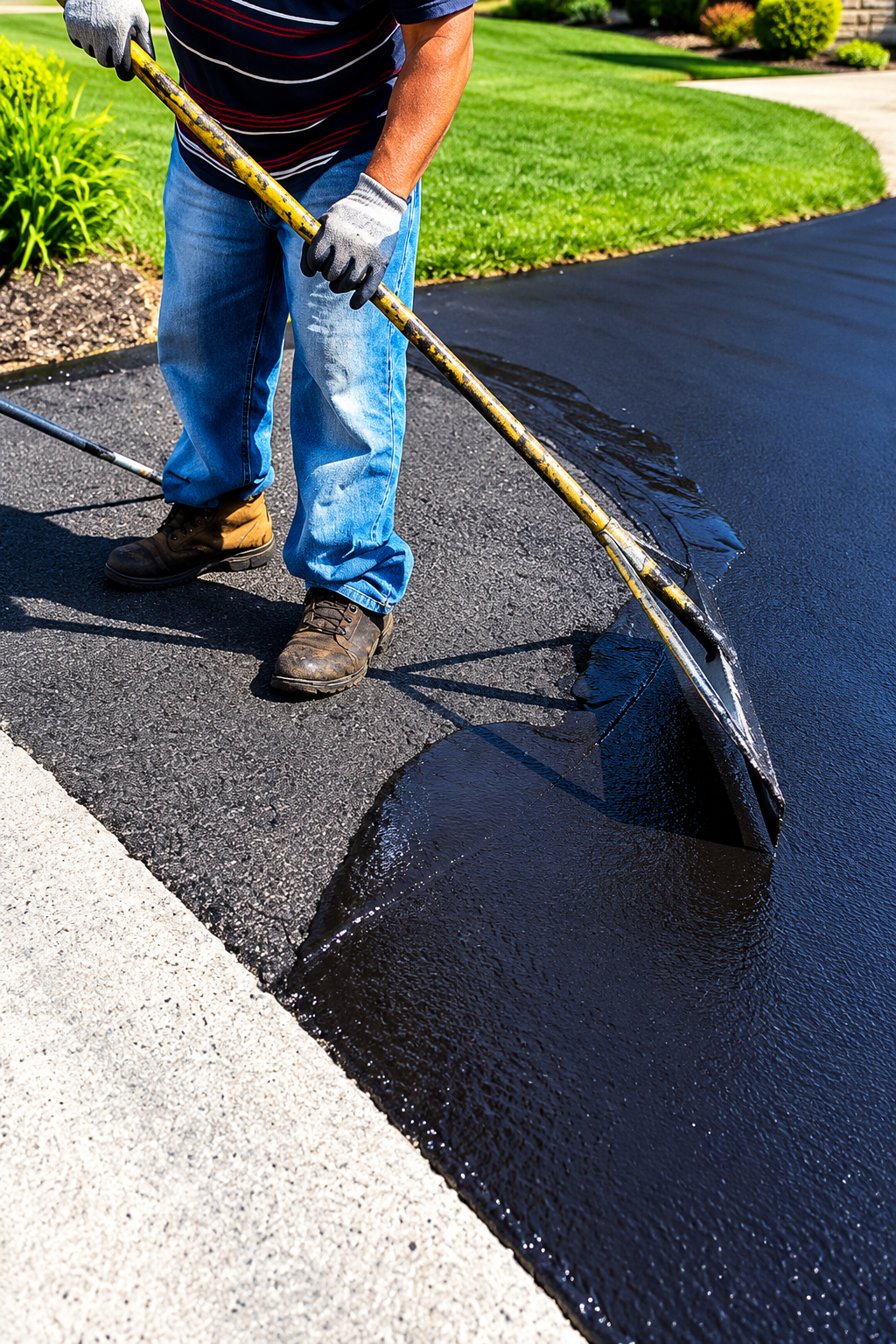
Sealcoating is a protective pavement maintenance treatment applied to the surface of asphalt to help shield it from everyday environmental exposure and wear. The coating forms a protective layer over the pavement and can reduce the effects of sunlight, water, oxidation, oil, fuel spills, and changing weather conditions. It also gives older asphalt a darker, more uniform appearance, helping parking lots, driveways, and other paved surfaces look cleaner and better maintained.
Before sealcoating is applied, the asphalt typically requires thorough cleaning and surface preparation. Dirt, debris, vegetation, and loose materials should be removed, while existing cracks and potholes may need to be repaired separately. Once the pavement is properly prepared, the sealcoat material is applied evenly across the asphalt surface using suitable application methods. The treated area then needs adequate drying or curing time before normal vehicle and pedestrian traffic resumes.
Sealcoating is commonly used as part of a broader preventive pavement maintenance program rather than as a structural repair for severely damaged asphalt. It can help slow surface deterioration and protect pavement that is still in serviceable condition, but significant cracks, potholes, base failures, or drainage problems generally require asphalt repair before sealcoating. When combined with crack sealing, patching, proper drainage, and regular inspections, sealcoating can help maintain the pavement’s appearance, performance, and useful service life.
When Is Sealcoating Necessary?
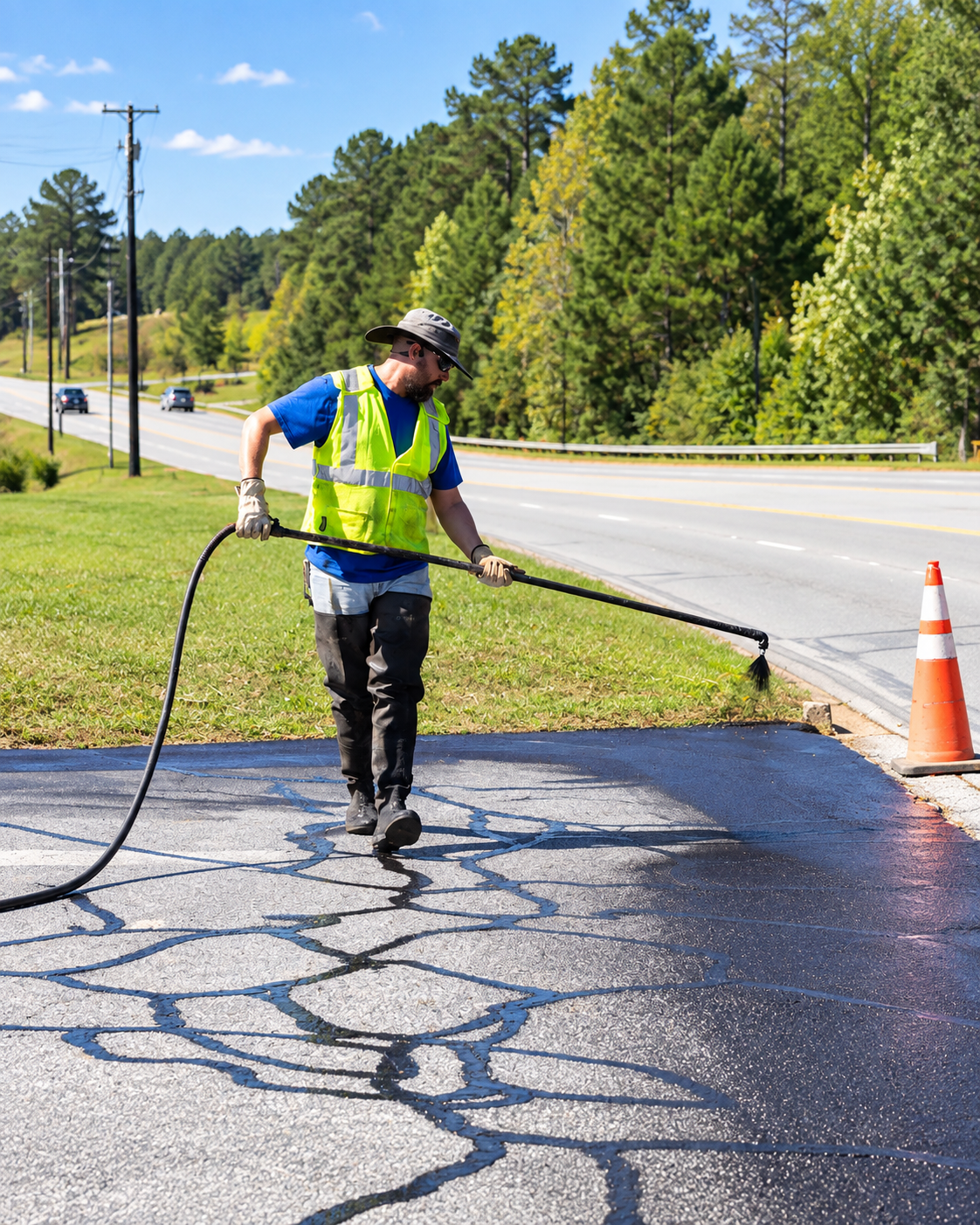
Sealcoating is necessary when an asphalt surface begins showing early signs of aging, fading, oxidation, or general surface wear but is still structurally sound. Asphalt naturally loses some of its dark appearance as it is exposed to sunlight, rain, temperature changes, vehicle traffic, and other environmental conditions. Applying a protective sealcoat at the appropriate stage can help reduce surface deterioration while restoring a darker, more uniform appearance to parking lots, driveways, and other asphalt areas.
Sealcoating may also be appropriate when pavement needs additional protection from water penetration, UV exposure, oil, fuel, and everyday traffic wear. Before applying sealcoat, existing cracks, potholes, depressions, and other significant damage should be evaluated and repaired as needed. Sealcoating is a preventive maintenance treatment, not a replacement for structural asphalt repair, so severely damaged pavement may require patching, resurfacing, or other repairs before a protective coating is applied.
The appropriate timing for sealcoating depends on factors such as pavement age, existing condition, traffic volume, climate, previous maintenance, and environmental exposure. Regular pavement inspections can help determine when the surface is ready for another protective treatment rather than relying on a fixed schedule for every property. When combined with crack sealing, asphalt repair, proper drainage, pavement striping, and routine maintenance, sealcoating can help preserve asphalt condition, maintain a professional appearance, and extend its useful service life.
What Is Required For Sealcoating?
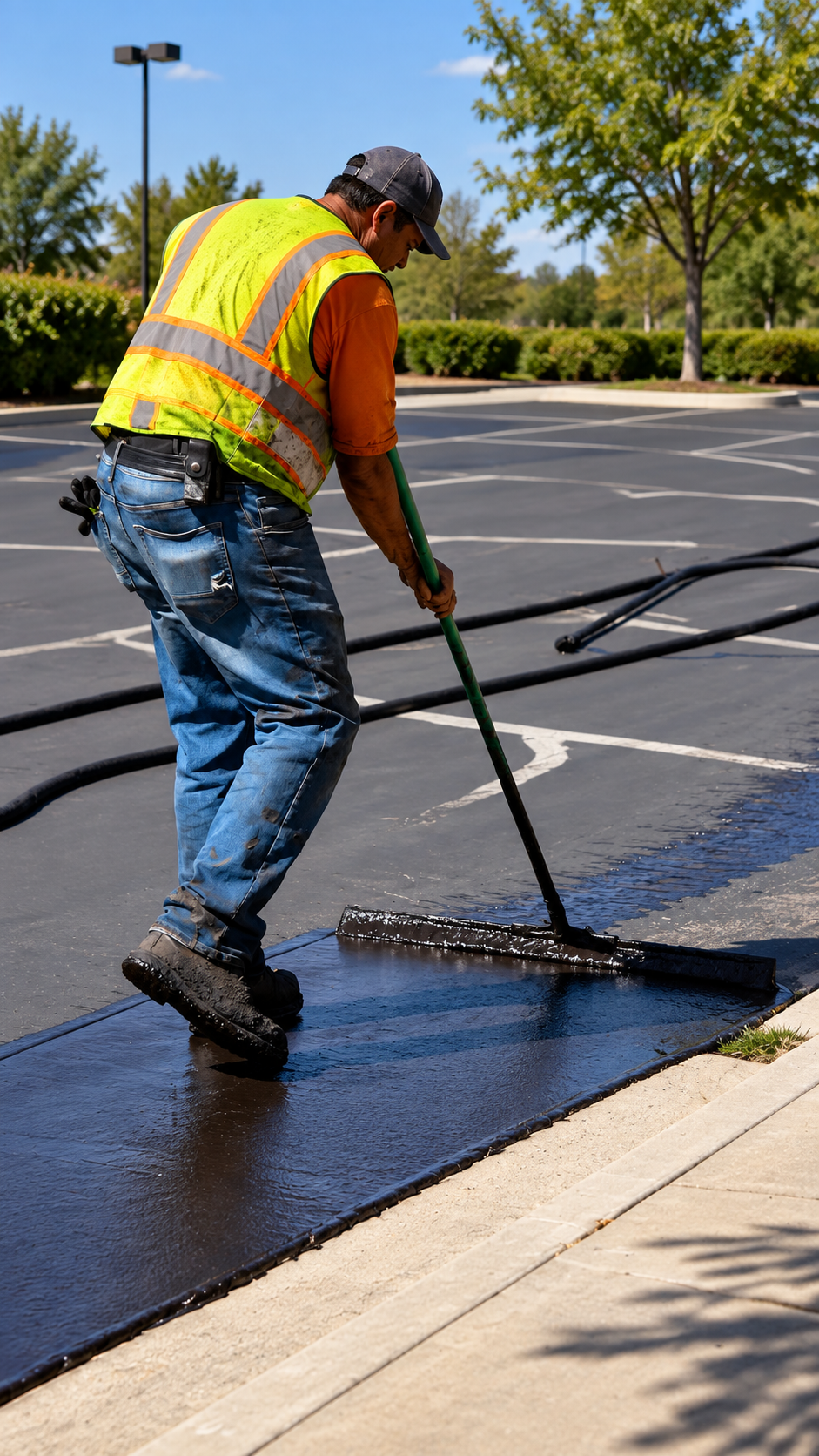
Successful sealcoating requires proper pavement inspection, cleaning, and surface preparation before the coating is applied. The asphalt should be checked for cracks, potholes, loose material, oil spots, drainage issues, and other damage. Dirt, dust, vegetation, and debris must be removed so the sealcoat can properly bond with the asphalt surface. Significant pavement damage should generally be repaired before beginning the sealcoating process.
The application also requires appropriate sealcoating materials, professional equipment, and suitable weather conditions. The pavement surface should typically be dry, and temperature and weather conditions should meet the requirements of the specific sealcoat product being used. The coating must be mixed and applied according to manufacturer specifications to achieve consistent coverage and proper protection. Depending on the project and product, multiple coats may be used, with adequate drying time between applications.
After application, the treated pavement needs sufficient drying and curing time before it is reopened to vehicles and normal traffic. Parking areas may also require fresh pavement striping, parking space markings, directional arrows, or other markings after the sealcoat has cured. Combining sealcoating with crack repair, asphalt patching, proper drainage, regular inspections, and preventive maintenance can help protect the pavement and support its long-term appearance and performance.
Our Reviews
What Our Customers Have to Say About Us!
Excellent asphalt paving service from start to finish. The crew was professional, arrived on time, and completed our parking lot with a smooth, clean finish. Very satisfied with the results.

We hired them for asphalt repair and sealcoating, and the results were impressive. They repaired the damaged areas properly and gave the pavement a fresh, professional appearance.
Great experience with the asphalt striping and pavement maintenance service. The parking lines look sharp and organized, and the entire area looks much better. Highly recommended.
The Process
3 Step Process For Your Sealcoating Needs

Contact Us
Start by completing the 'Get a Free Quote' form on our website to share your Sealcoating needs with us.

Schedule Your Estimate
Next, we'll arrange a property visit at a time that works for you to provide an in-person estimate for your Sealcoating needs.

Get The Job Done
After you approve our estimate, we'll schedule a date to complete the job. Our team will work hard to exceed your expectations!
Request A Free Sealcoating Quote

BUSINESS
SERVICES
SERVICE AREAS
OPERATING HOURS
Sun: Closed
Mon: 7:00am - 7:00pm
Tue: 7:00am - 7:00pm
Wed: 7:00am - 7:00pm
Thu: 7:00am - 7:00pm
Fri: 7:00am - 7:00pm
Sat: 7:00am - 7:00pm